Scale Buildup
Tell us when you first noticed it and where it appears.
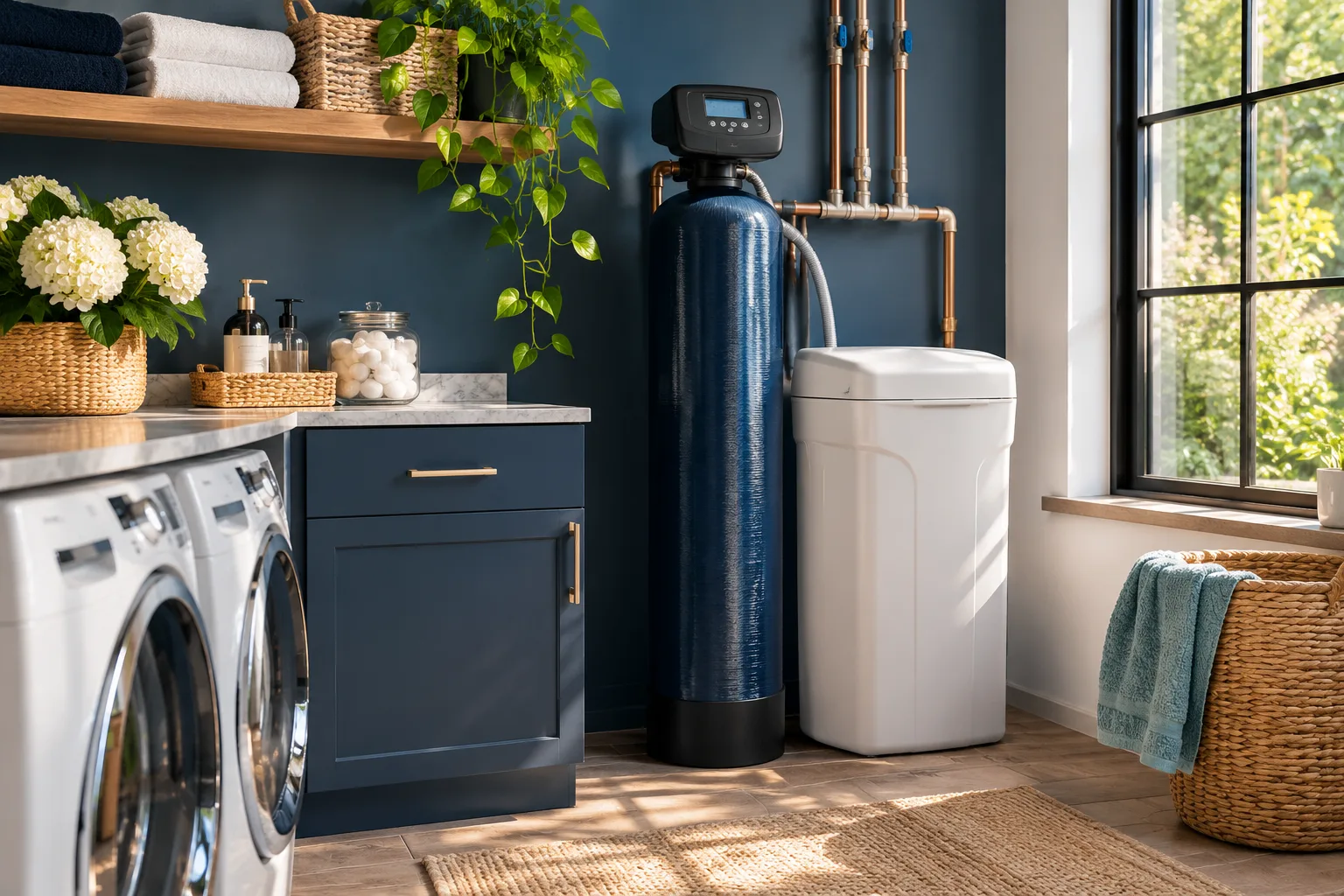
Manage hardness with equipment sized for real household use.
Mineral buildup on fixtures, scale in appliances and soap that does not rinse as expected can point to hard water. A correctly sized softener reduces calcium and magnesium through ion exchange. We look at measured hardness, water use and installation conditions so the system can work efficiently without unnecessary regeneration.
Start with a conversation about your water source, existing equipment and priorities. The next step is based on what your property actually needs.
Tell us when you first noticed it and where it appears.
Share existing reports or equipment details, if you have them.
We help identify what needs checking before a solution is chosen.
Household size is only part of the picture. Hardness level, iron content, typical consumption and peak flow influence capacity and settings. We discuss salt-based softening separately from conditioning products because they do not work the same way. Where a drain, electrical supply or suitable installation space is unavailable, that limitation needs to be resolved before equipment is selected.
Equipment, installation requirements and ongoing care should be explained together.
Talk Through The Options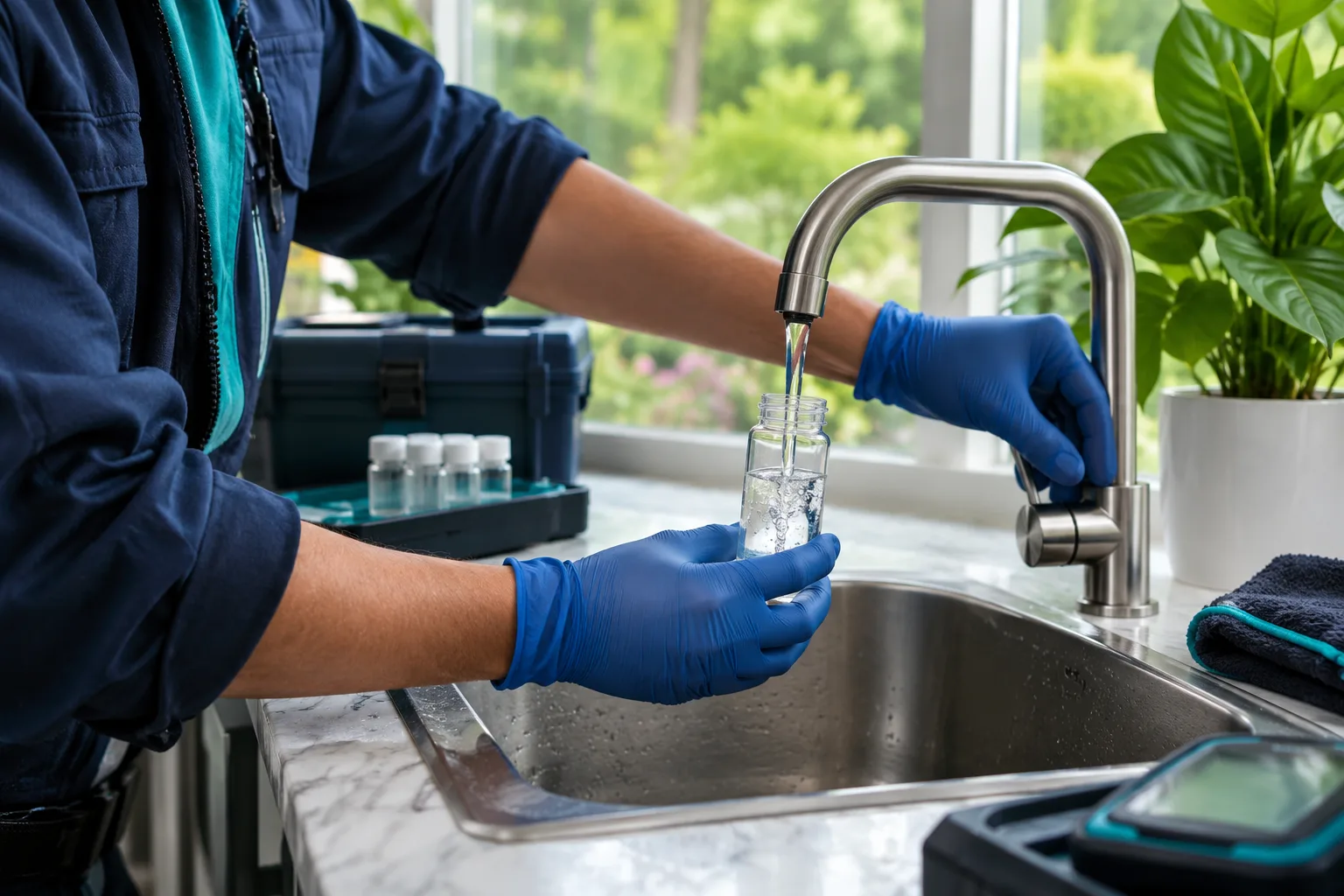
Fit Comes Before Features
A useful solution addresses the right concern in the right place.
A softener can make sense where tested hardness is affecting everyday water use. Irrigation or selected drinking taps may be bypassed where practical. Anyone managing a sodium-restricted diet should ask their health professional about softened drinking water and discuss a separate drinking-water solution.
Access, installation space and maintenance expectations can be just as important as the equipment itself. We discuss those details before a final recommendation.
Review your source, your concerns and available test information.
Compare treatment options, space requirements and ongoing care.
Walk through the system and the maintenance it needs.
Check the brine tank, use the recommended salt and watch for a salt bridge. Review settings if household demand changes. Softened water is not automatically free of contaminants, and the system should be maintained according to its manual.
Keep the model number, service instructions and replacement details in an easy-to-find place. If something changes, ask before making unfamiliar adjustments.
Explore Filter Care
No. A standard softener is designed primarily for hardness. Other concerns need appropriate testing and treatment.
That depends on hardness, system settings and water use. Check the tank regularly rather than relying on a universal refill schedule.
It can reduce the formation of new hardness scale. Existing deposits may still need appropriate cleaning or appliance service.
The proposed equipment, installation needs and service details should be reviewed with you before work is scheduled. Site conditions can affect the final plan.
Keep the equipment instructions and service record. Follow the recommended maintenance schedule and get advice if water conditions or system performance change.
A confident decision includes knowing the limits, the maintenance and what happens next.
Talk through your water concern and the information you already have.
Ask A QuestionTell us what you notice, what you already know and what you would like to improve.