
Rust-Colored Stains
Tell us when you first noticed it and where it appears.
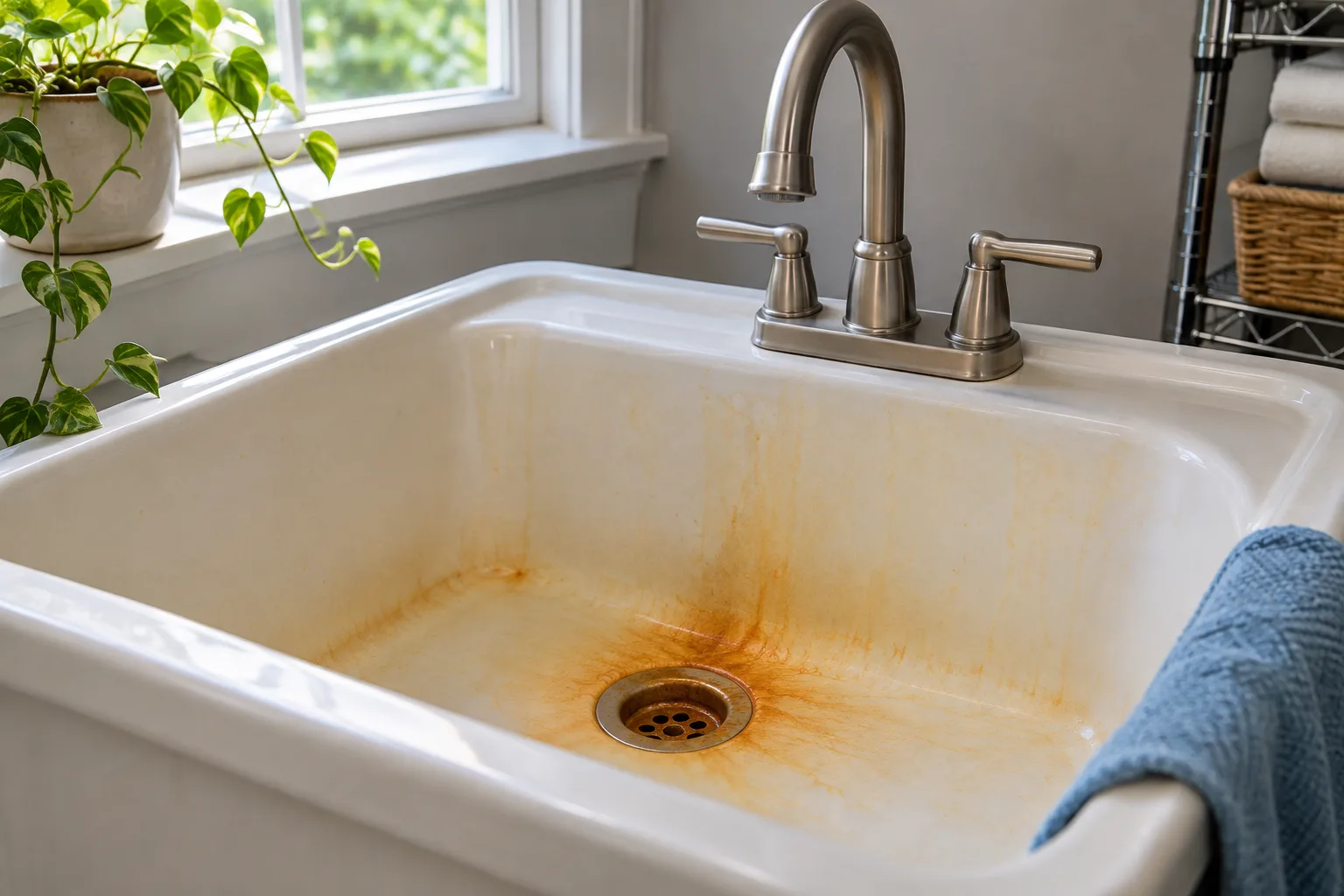
Target stubborn stains and odors with a considered plan.
Rust-colored marks and sulfur-like odors can be frustrating, but similar symptoms may have different causes. We look at water test results, where the issue appears and how the supply operates. That helps identify whether source-water treatment, plumbing inspection or water-heater attention is the appropriate next step.
Start with a conversation about your water source, existing equipment and priorities. The next step is based on what your property actually needs.
Tell us when you first noticed it and where it appears.
Share existing reports or equipment details, if you have them.
We help identify what needs checking before a solution is chosen.
Iron can occur in different forms, and pH, dissolved oxygen and flow all affect treatment performance. Sulfur-like odors may come from the incoming water or be associated with a water heater. Oxidation, specialized media and suitable filtration may form part of a treatment plan. Equipment must be selected for measured conditions, and chemical feed systems require careful operation and ongoing oversight.
Equipment, installation requirements and ongoing care should be explained together.
Talk Through The Options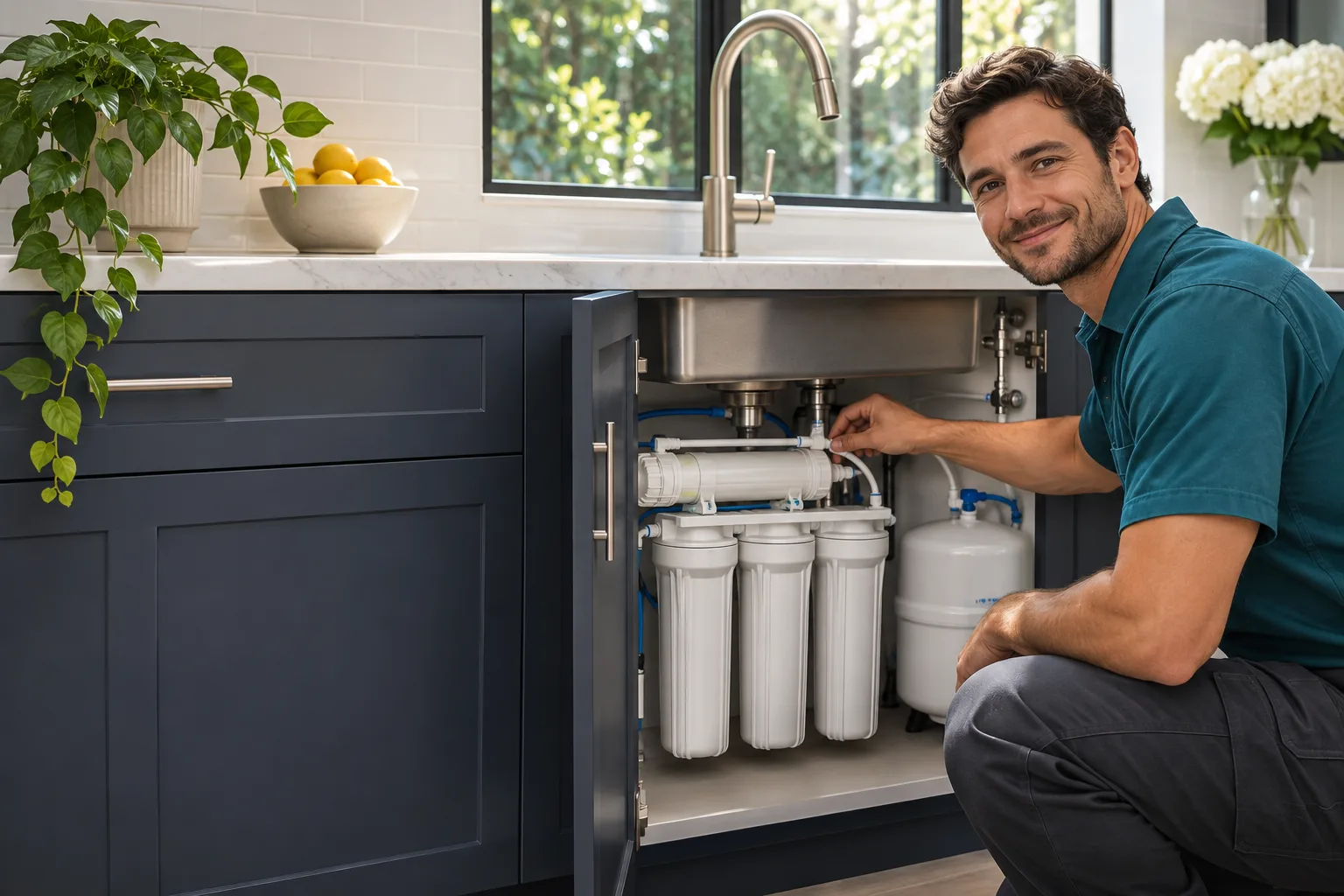
Fit Comes Before Features
A useful solution addresses the right concern in the right place.
For properties with recurring iron staining or odors that basic cartridge changes have not resolved. We review whether the problem occurs in hot water, cold water or both. Laboratory findings and a plumbing assessment can prevent an unnecessary whole-house installation.
Access, installation space and maintenance expectations can be just as important as the equipment itself. We discuss those details before a final recommendation.
Review your source, your concerns and available test information.
Compare treatment options, space requirements and ongoing care.
Walk through the system and the maintenance it needs.
Backwashing, media replacement and any chemical feed checks must follow the installed equipment’s instructions. Watch for changes in staining, odor or flow and arrange review rather than simply increasing settings without guidance.
Keep the model number, service instructions and replacement details in an easy-to-find place. If something changes, ask before making unfamiliar adjustments.
Explore Filter Care
The water heater may be involved. A qualified plumbing assessment can help determine the cause before source-water treatment is selected.
Not reliably. The form and concentration of iron and other water conditions matter. Specialized treatment may be required.
Appearance alone does not establish safety or the full cause. Testing is needed to evaluate the relevant concerns.
The proposed equipment, installation needs and service details should be reviewed with you before work is scheduled. Site conditions can affect the final plan.
Keep the equipment instructions and service record. Follow the recommended maintenance schedule and get advice if water conditions or system performance change.
A confident decision includes knowing the limits, the maintenance and what happens next.
Talk through your water concern and the information you already have.
Ask A QuestionTell us what you notice, what you already know and what you would like to improve.