Unexplained Changes
Tell us when you first noticed it and where it appears.
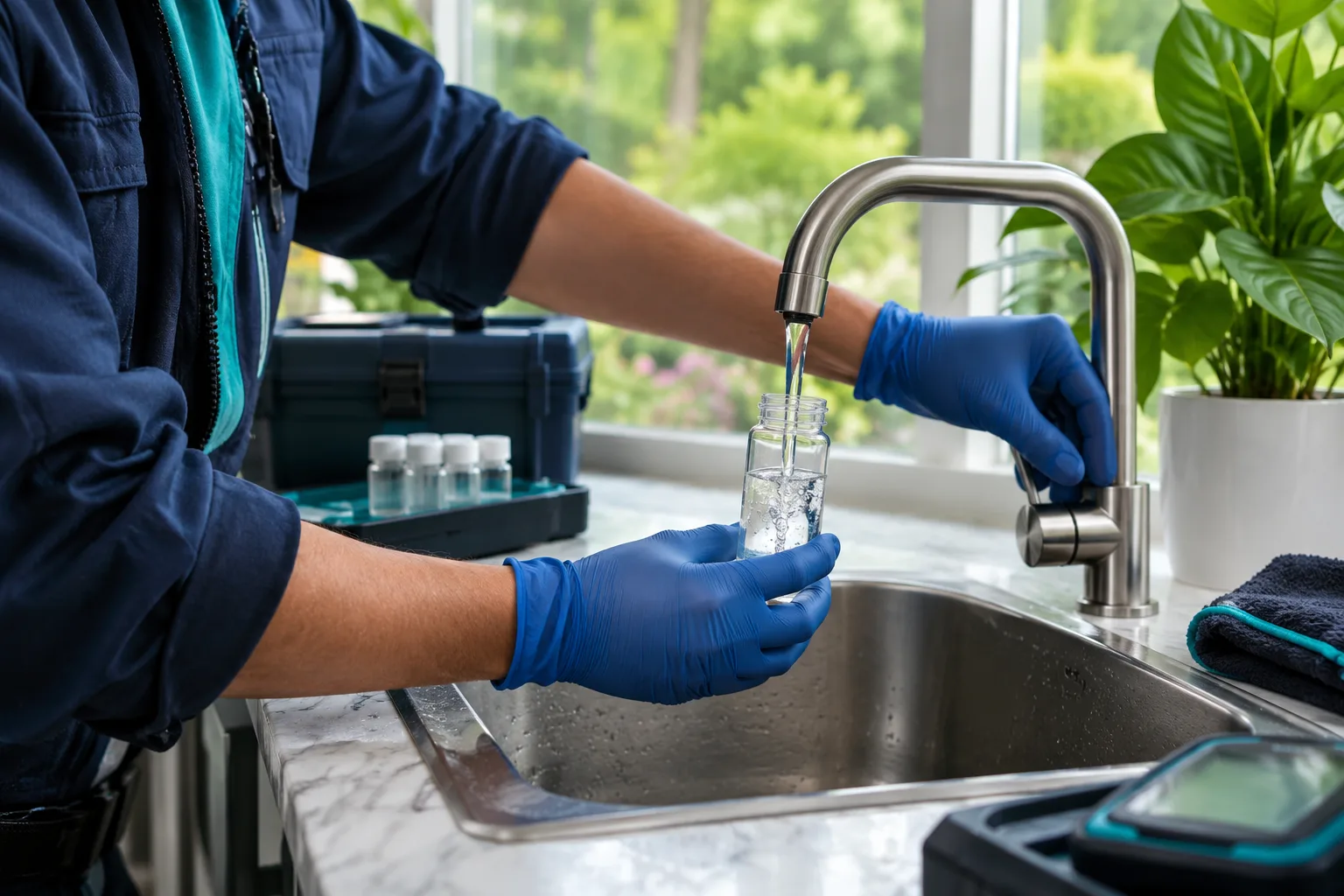
Understand the water before choosing the equipment.
Good recommendations start with good information. Water testing helps distinguish hardness, sediment and taste concerns from issues that need a certified laboratory. We help organize the questions, review available reports and identify the appropriate next testing step before a treatment system is proposed.
Start with a conversation about your water source, existing equipment and priorities. The next step is based on what your property actually needs.
Tell us when you first noticed it and where it appears.
Share existing reports or equipment details, if you have them.
We help identify what needs checking before a solution is chosen.
An on-site hardness or basic water-quality check can be useful for equipment sizing, but it is not a comprehensive safety assessment. Health-related contaminants should be evaluated by an appropriate certified laboratory using its collection instructions. Municipal customers can start with their utility’s current water-quality report, while point-of-use conditions may still call for a specific sample.
Equipment, installation requirements and ongoing care should be explained together.
Talk Through The OptionsFit Comes Before Features
A useful solution addresses the right concern in the right place.
A sensible first step for a new home, a private well, unexplained changes or an expensive system decision. Share previous reports, the water source and any treatment already installed. Avoid opening or changing sample containers before following the lab’s instructions.
Access, installation space and maintenance expectations can be just as important as the equipment itself. We discuss those details before a final recommendation.
Review your source, your concerns and available test information.
Compare treatment options, space requirements and ongoing care.
Walk through the system and the maintenance it needs.
Keep the report, sampling date and location. Results apply to the sample and time tested; they are not a permanent guarantee. Retesting may be needed after treatment changes, plumbing work, environmental events or according to local guidance.
Keep the model number, service instructions and replacement details in an easy-to-find place. If something changes, ask before making unfamiliar adjustments.
Explore Filter Care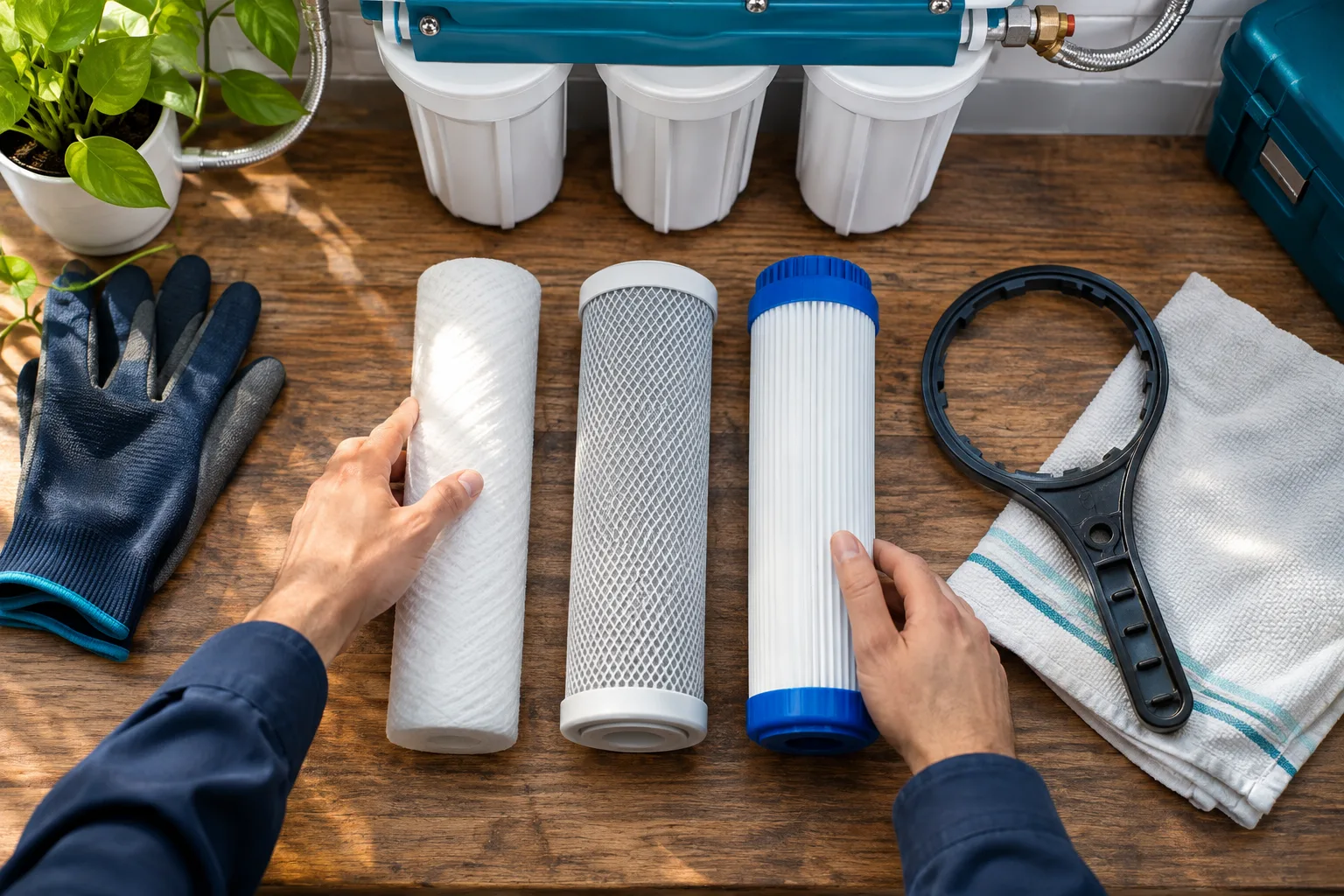
A strip can offer a limited screening result for a specific parameter. It does not replace certified laboratory analysis for health-related concerns.
Yes. Bring the complete report, including units, collection date and laboratory notes, so treatment options can be considered in context.
Yes. Matching the filter’s verified capability to the concern helps avoid buying a system that does not solve the problem.
The proposed equipment, installation needs and service details should be reviewed with you before work is scheduled. Site conditions can affect the final plan.
Keep the equipment instructions and service record. Follow the recommended maintenance schedule and get advice if water conditions or system performance change.
A confident decision includes knowing the limits, the maintenance and what happens next.
Talk through your water concern and the information you already have.
Ask A QuestionTell us what you notice, what you already know and what you would like to improve.