The most useful water filter is not necessarily the most complicated one. It is the one whose verified capabilities match the concern you want to address.
Where Does Your Water Come From?
Start with the source. A municipal supply and a private well can call for different questions. A utility’s current water-quality report provides context for treated public water. A private well needs an appropriate testing plan based on local guidance, property conditions and the source itself.
What Are You Trying To Improve?
Hardness, sediment, taste and odors are not interchangeable. A softener is designed primarily for hardness. A sediment filter catches particles. Activated carbon and reverse-osmosis equipment each have specific capabilities and limitations. The symptom is the beginning of the inquiry, not proof of the cause.
What Does The Test Actually Tell You?
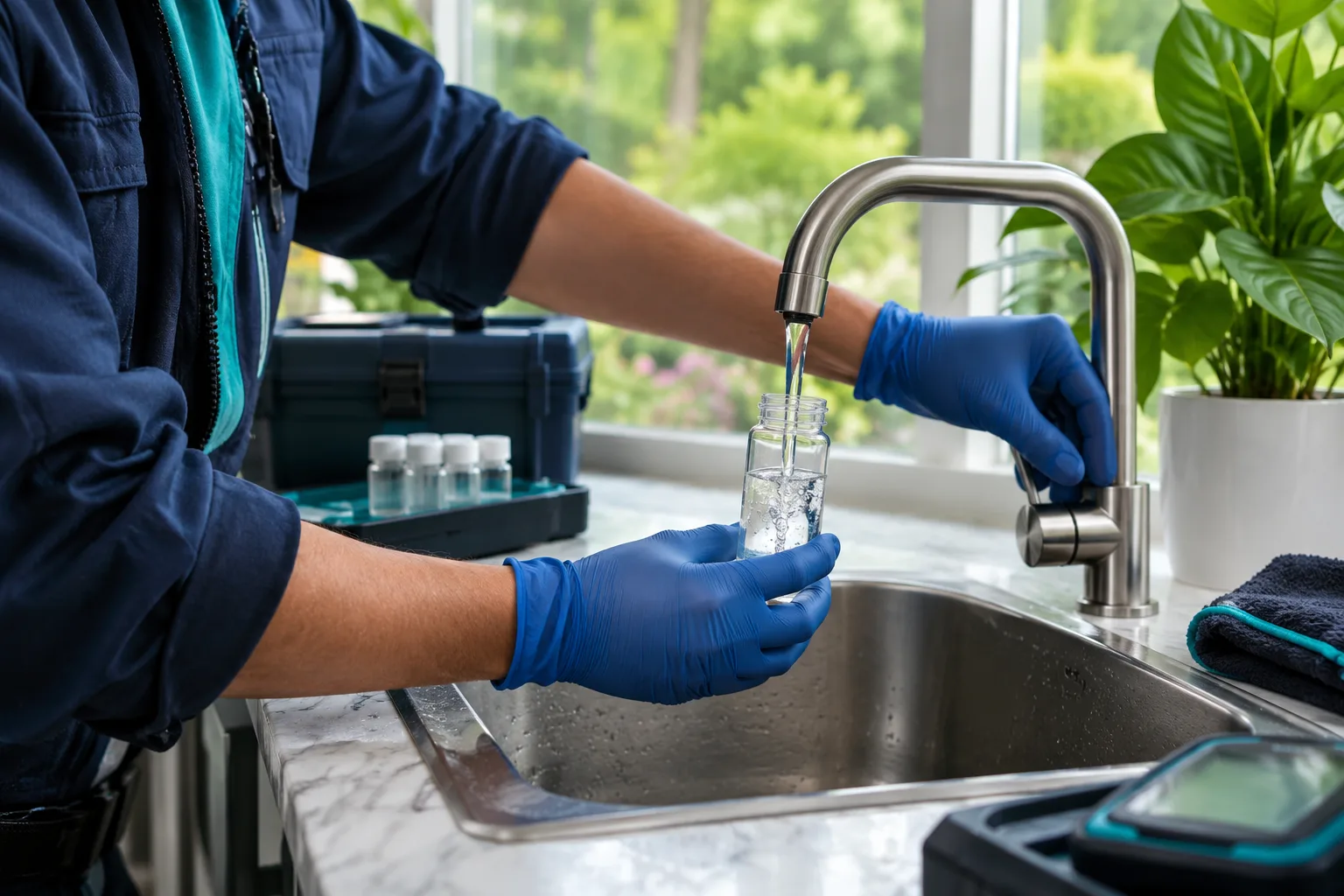
A basic screening test can help with a limited question, such as hardness. Health-related concerns need suitable certified laboratory analysis. Follow collection instructions carefully and keep the complete report. Clear appearance or a pleasant taste cannot establish that water is safe.
Which Claims Have Been Verified?
Look for independent certification for the specific substance or performance claim that matters to you. A certification mark does not mean a system removes everything. Compare the exact model, rated capacity and required operating conditions rather than relying on broad marketing language.
Will It Fit Your Home And Routine?
Consider flow, pressure, available space, drains, power and access for maintenance. A point-of-entry system treats water entering the home, while a point-of-use system treats water at a specific outlet. Some properties need a combination; others need a much simpler solution.
What Will Ongoing Care Involve?
Ask about cartridges, media, membranes, salt, sanitization and service intervals. These vary by equipment and incoming water. Keep a record of the model and approved parts so maintenance is easier to plan. A system that is difficult to look after may not be the best fit.
Gather your water source, any test results and a short description of what you notice. That information makes a conversation about treatment more focused.
This guide is general information, not a water-safety assessment. Follow local health guidance and any active drinking-water advisory.